
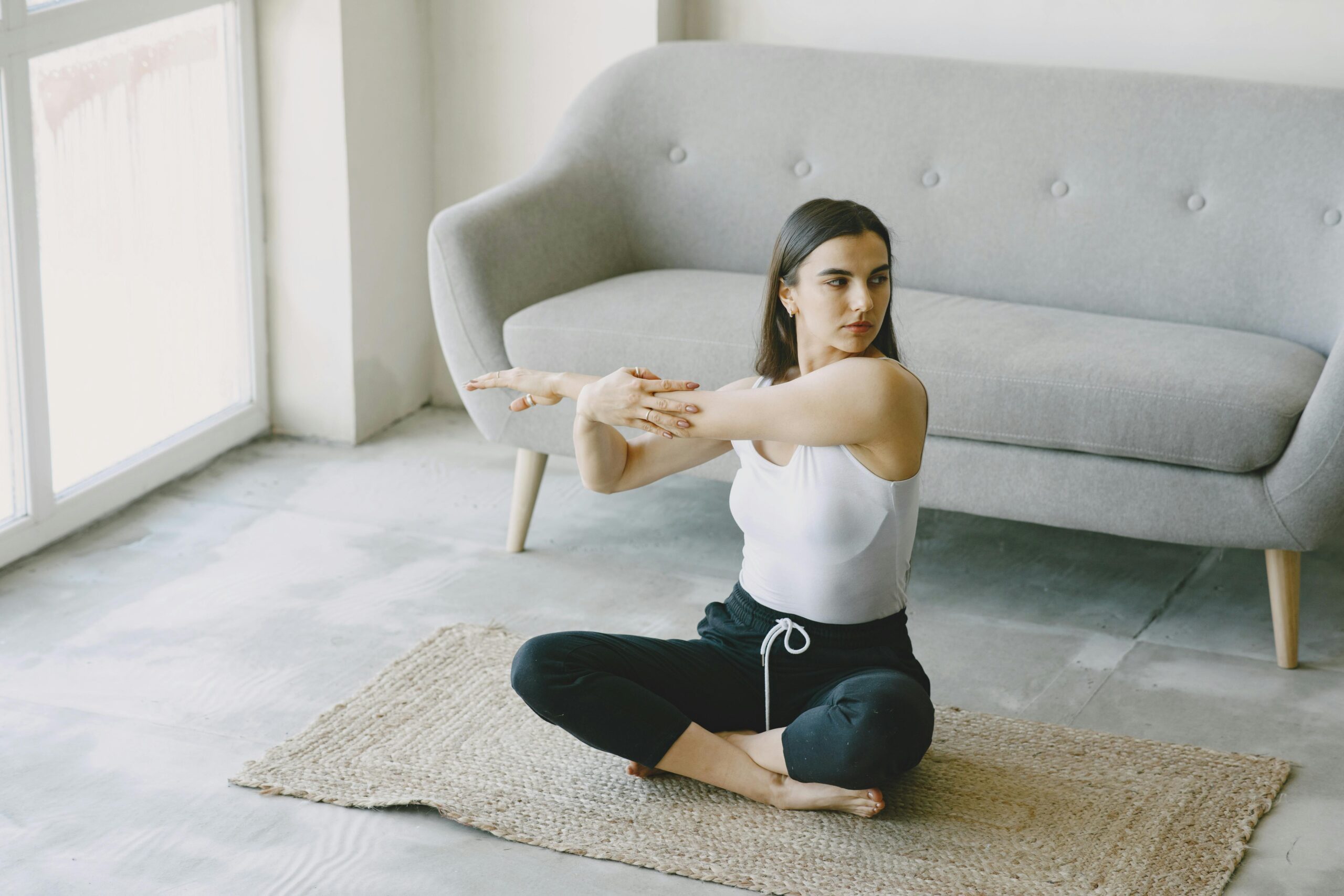
Build a balanced routine at home with strength training, walking workouts, mobility exercises, recovery habits, and smart tracking that feels realistic.
A home workout routine does not need expensive equipment, long sessions, or complicated rules. The goal is to move consistently, build strength safely, improve mobility, support energy, and create habits you can actually maintain.
Many people want to become more active, but they get stuck because they think a good routine must be intense or time-consuming. In reality, small and steady actions can make a big difference. A short strength session, a daily walk, a few mobility exercises, and better recovery habits can help you feel more capable over time.
The strongest routine is not the one that looks hardest online. It is the one you can repeat without feeling drained. A practical exercise plan should match your schedule, current ability, comfort level, and goals.
This guide explains how to build a simple home workout routine using strength training, walking workouts, mobility exercises, workout apps, wearable trackers, and recovery tips in a balanced way.
Quick Answer
A good home workout routine includes simple strength training, regular walking, mobility exercises, rest days, and recovery habits. Beginners can start with 20–30 minutes a few times per week and slowly build consistency before adding intensity.
Strength
Bodyweight moves, light weights, resistance bands, and controlled progress.
Walking
Easy movement for heart health, mood, daily steps, and low-impact activity.
Mobility
Gentle movement that supports flexibility, posture, comfort, and everyday function.
Start With a Routine You Can Repeat
The first step is not choosing the hardest workout. The first step is choosing a routine you can repeat. If your plan is too demanding, you may follow it for a few days and then stop. A realistic plan gives you a better chance of staying consistent.
Start with three simple goals: move your body, build basic strength, and improve how you feel. You can increase time, difficulty, or variety later. Consistency comes before intensity.
Beginner-Friendly Weekly Structure
- 2 days: simple strength training
- 3 days: walking or light cardio
- 2–4 days: short mobility exercises
- 1–2 days: rest or gentle movement
- Daily: hydration, sleep, and recovery awareness
Use Strength Training to Build Everyday Confidence
Strength training is one of the most useful parts of a balanced routine. It supports muscles, posture, daily movement, balance, and long-term health. You do not need a full gym to start. Bodyweight exercises can be enough for beginners.
Focus on simple movements such as squats, glute bridges, wall push-ups, rows with a resistance band, step-ups, and planks. Move slowly, use good form, and stop if something feels painful.
Simple Strength Session
- Bodyweight squats — 8 to 12 reps
- Wall push-ups — 8 to 12 reps
- Glute bridges — 10 to 15 reps
- Standing band rows — 8 to 12 reps
- Plank or dead bug — 15 to 30 seconds
Add Walking Workouts for Low-Impact Progress
Walking is simple, low-impact, and easy to fit into daily life. It can support heart health, mood, energy, and consistency without requiring a gym or complex routine. For many people, walking is the easiest way to restart movement.
A walking workout can be as simple as 20 minutes at a comfortable pace. Over time, you can add short faster intervals, hills, or longer routes. The key is to build gradually.
Easy Walk
A relaxed walk for recovery, mood, and daily movement.
Interval Walk
Alternate comfortable walking with short faster sections.
Hill Walk
Use gentle slopes to build stamina and leg strength gradually.
Use Mobility Exercises to Move Better
Mobility exercises help your body move more comfortably. They are especially useful if you sit for long periods, feel stiff in the morning, or want better movement before workouts.
Mobility does not need to be complicated. A few minutes of controlled movement can help your hips, shoulders, back, ankles, and neck feel better.
Quick Mobility Flow
- Neck rolls or gentle neck turns
- Shoulder circles
- Cat-cow movement
- Hip circles
- Ankle circles or calf stretches
Make Recovery Part of the Plan
Recovery is not laziness. It is part of progress. Your body needs time to adapt after movement. Without enough recovery, you may feel tired, sore, unmotivated, or more likely to skip sessions.
Recovery includes sleep, hydration, light movement, gentle stretching, balanced meals, and rest days. A good routine should leave you feeling better over time, not constantly worn out.
Recovery Tips
- Sleep enough for your age and schedule.
- Drink water regularly.
- Take rest days when your body needs them.
- Use gentle walks on low-energy days.
- Avoid adding intensity too quickly.
Use Workout Apps Without Overcomplicating Your Routine
Workout apps can help with structure, reminders, progress tracking, and guided sessions. They are useful if you like having a plan to follow. But too many apps can become confusing.

Choose one app or system that helps you stay consistent. Look for beginner-friendly programs, clear instructions, progress tracking, and realistic session lengths.
Let Wearable Trackers Guide You, Not Control You
Wearable trackers can be helpful for steps, heart rate, sleep, activity minutes, and progress patterns. They can show whether you are moving more, sleeping better, or staying consistent.
Still, numbers should not become stress. Use trackers as feedback, not pressure. Your body’s signals matter too. If you feel tired, sore, or unwell, adjust your plan.
What to Track
- Daily steps or walking time
- Workout consistency
- Sleep patterns
- Resting heart rate trends, if available
- How your energy feels during the week
Keep Your Routine Safe and Age-Appropriate
A safe routine should match your age, body, experience, and health needs. Beginners should avoid jumping into advanced exercises too quickly. Good form matters more than speed or heavy resistance.
If you have pain, dizziness, an injury, or a medical concern, speak with a trusted health professional before starting or changing an exercise plan. For teens, it is also smart to involve a parent, guardian, coach, or qualified instructor when starting strength training.
Build Motivation With Small Wins
Motivation grows when you see progress. That progress does not have to be dramatic. It can be walking more often, doing one extra rep, feeling less stiff, sleeping better, or showing up even when you did not feel like it.
Small wins build trust with yourself. Over time, they create stronger habits than extreme short-term plans.
Simple Progress Signs
- You complete workouts more consistently.
- Walking feels easier than before.
- You recover faster after movement.
- Your posture or mobility feels better.
- You feel more confident in your routine.
Sample Beginner Home Workout Routine
This sample plan is simple and flexible. You can adjust days based on your schedule. The goal is to build consistency without overwhelming yourself.
Weekly Plan Example
- Monday: 20-minute strength session
- Tuesday: 25-minute walk and 5-minute mobility
- Wednesday: rest or gentle stretching
- Thursday: 20-minute strength session
- Friday: 20–30-minute walk
- Saturday: mobility flow or light activity
- Sunday: rest, recovery, and plan the next week
Final Thoughts
A home workout routine works best when it is simple, balanced, and realistic. Strength training, walking workouts, mobility exercises, and recovery habits can all support better daily health without making your schedule feel impossible.
Start small, stay consistent, listen to your body, and build gradually. A routine you can repeat for months will always be more useful than a difficult plan you quit after one week.
Frequently Asked Questions
1. What is a good home workout routine for beginners?
A good beginner routine includes two strength sessions, several walks, short mobility exercises, and enough rest. Start with 20–30 minute sessions and build slowly.
2. Can walking be part of a workout plan?
Yes. Walking is a simple, low-impact way to support heart health, daily movement, mood, and consistency. It works well with strength and mobility training.
3. How often should I do strength training?
Beginners can start with two strength sessions per week. As confidence improves, they can add more sessions if recovery, form, and energy remain good.
4. Why are mobility exercises important?
Mobility exercises support comfortable movement, flexibility, posture, and everyday function. They are useful before workouts and during short movement breaks.
5. Should I use a wearable tracker?
A wearable tracker can help monitor steps, workouts, sleep, and consistency. Use it as helpful feedback, not as pressure or a replacement for listening to your body.
Ready to Build a Routine That Fits Your Life?
Explore more wellness guides, beginner workouts, mobility tips, walking routines, recovery ideas, and healthy lifestyle habits.