Senior strength training is essential for seniors to maintain muscle mass, bone density, and overall functional fitness. As we age, the risk of falls, fractures, and mobility issues increases. Choosing the right equipment ensures that seniors can exercise safely and effectively while targeting the key muscle groups. In this guide, we will cover the most recommended equipment for senior strength training, practical tips, and examples of how to use them efficiently.
Recommended Equipment for Senior Strength Training
Selecting the appropriate tools is critical for seniors to prevent injuries and maximize benefits. Here are some widely recommended pieces of equipment:
Dumbbells
Dumbbells are versatile and easy to use for a variety of exercises, including bicep curls, shoulder presses, and squats. For seniors, it is best to start with lighter weights, such as 2–5 pounds, and gradually increase based on comfort and strength.
- Pro Tip: Choose dumbbells with a non-slip grip to prevent accidents and allow better control.
Dumbbells allow seniors to work on muscle balance and strength, which is crucial for everyday tasks like carrying groceries or lifting objects safely. Exercises like seated overhead presses or standing rows can improve posture and upper-body strength.
Resistance Bands
Resistance bands are lightweight, portable, and ideal for seniors who may have joint sensitivity. They provide resistance without heavy strain, making them suitable for low-impact exercises.
- Example: A seated leg press with a resistance band can strengthen quadriceps and hamstrings without putting stress on the knees.
These bands come in varying resistance levels, which allows seniors to progress at their own pace while still challenging their muscles effectively. Resistance bands can also aid in stretching and improving flexibility, an essential aspect of senior fitness.
Stability Balls
Stability balls enhance balance, core strength, and flexibility. Seniors can use these balls for seated exercises, wall squats, or even gentle core workouts.
- Pro Tip: Choose a ball that allows your feet to rest flat on the floor while sitting for maximum stability.
For example, performing seated marches on a stability ball can improve coordination and core engagement, reducing the risk of falls. Stability balls can also be used for gentle stretching and posture improvement.
Adjustable Weight Machines
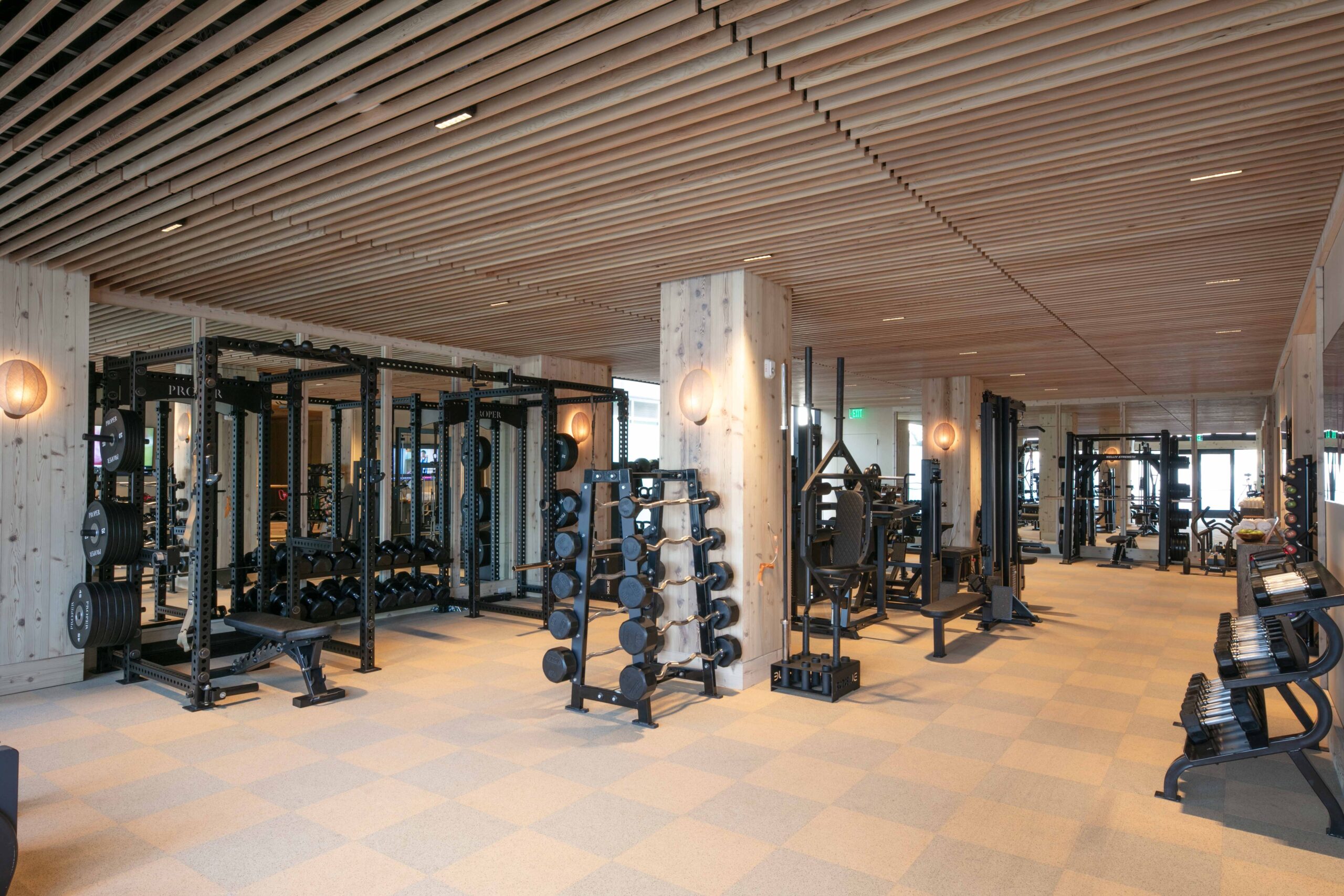
For seniors who prefer a more guided approach, adjustable weight machines in a gym setting can be very effective. Machines help maintain proper form and reduce the risk of injury compared to free weights.
- Example: A leg press machine allows seniors to strengthen lower-body muscles with controlled resistance, ideal for maintaining mobility and stability.
Adjustable machines are particularly beneficial for those recovering from injuries or with limited mobility, as they offer support and controlled movement.
Step Platforms
Step platforms can be used for light cardio combined with strength exercises. Seniors can perform step-ups, side steps, or gentle knee raises to enhance lower-body strength, coordination, and balance.
- Pro Tip: Ensure the step platform is sturdy and non-slip to prevent accidents.
Step platforms add a functional aspect to workouts, mimicking movements that seniors encounter daily, such as climbing stairs or stepping onto a curb.
How to Safely Use Strength Training Equipment
Safety is paramount in senior strength training. Here are key considerations:
- Warm-Up First: Always start with 5–10 minutes of light cardio or dynamic stretches to prepare muscles.
- Start Slow: Begin with lighter weights or lower resistance bands and increase gradually.
- Proper Form: Focus on form rather than weight to prevent injury. Consider working with a trainer for guidance.
- Rest Between Sets: Give muscles time to recover with 30–60 seconds of rest between exercises.
- Pro Tip: Maintain a workout log to track progress and adjust resistance or weight safely.
Example Senior Strength Training Routine
Here’s a simple routine using recommended equipment:
- Dumbbell Bicep Curls: 2 sets of 10 reps
- Resistance Band Seated Rows: 2 sets of 12 reps
- Stability Ball Seated Marches: 2 sets of 15 steps per leg
- Leg Press Machine: 2 sets of 10 reps
- Step Platform Side Steps: 2 sets of 12 steps each side
This routine targets both upper and lower body, enhances balance, and builds functional strength for daily activities.
Conclusion
Investing in the right equipment makes senior strength training both safe and effective. Dumbbells, resistance bands, stability balls, adjustable machines, and step platforms each serve a unique purpose in maintaining strength, mobility, and balance. Combined with proper technique, a structured routine, and gradual progression, seniors can enjoy enhanced independence, reduced injury risk, and better overall health. Prioritize safety, choose equipment suited to individual needs, and incorporate variety to keep workouts engaging and rewarding.