
Getting out of bed shouldn’t feel like a workout. Yet many older adults notice stiffness in their backs, hips, shoulders, or legs after a night of rest. The first few steps in the morning may feel uncomfortable, and simple activities like reaching for a cupboard or bending to put on shoes can take more effort.
Part of the reason is that the body remains relatively still during sleep. Muscles and joints may feel less comfortable after hours without much movement, particularly for people who already have limited flexibility or spend much of the day sitting.
A gentle morning mobility routine can help ease into daily activities. Rather than starting the day with demanding exercises, seniors can use controlled movements to gradually get their joints moving and prepare their bodies for everyday tasks.
Why Morning Movement Matters for Older Adults
After several hours of rest, the body may need time to adjust to movement. This can be especially noticeable in the hips, knees, shoulders, and lower back. For some older adults, stiffness improves after walking around or completing a few gentle movements.
Morning mobility exercises encourage comfortable movement through the joints. They can help maintain flexibility and make activities such as standing, reaching, turning, and walking easier to perform.
There is also a practical benefit to building movement into an existing daily habit. Instead of setting aside a large block of time for exercise, seniors can begin with a few minutes after waking up. This makes it easier to develop a routine that feels manageable.
The CDC recommends that adults aged 65 and older include aerobic activity, muscle-strengthening exercises, and balance activities in their weekly schedules. Flexibility work can complement these activities, although stretching alone does not replace strength or balance training.
5 Gentle Morning Mobility Exercises for Seniors
A morning routine doesn’t need to be complicated. The following movements focus on areas that commonly feel stiff after periods of inactivity.
Seniors should use a stable chair or countertop for support when necessary. Start slowly, stay within a comfortable range of motion, and avoid forcing any movement.
1. Shoulder Rolls to Release Upper-Body Stiffness
Shoulders can feel tight after sleeping in one position or spending extended periods sitting. Gentle shoulder rolls encourage movement around the shoulder joints and upper back.
Sit or stand comfortably with your arms relaxed. Slowly lift your shoulders toward your ears, move them backward, and then lower them. Repeat the movement several times before reversing the direction.
Keep the movement smooth rather than making large or sudden circles. This simple exercise can be included while waiting for breakfast or preparing for the day.
2. Seated Knee Extensions for Comfortable Leg Movement
The knees play an important role in walking, standing, and climbing stairs. Gentle seated movements can help older adults maintain comfortable movement in this area.
Sit in a sturdy chair with your feet resting on the floor. Slowly extend one leg forward until the knee is comfortably straight, then lower the foot back down. Repeat with the opposite leg.
The movement should be controlled, without swinging the leg or locking the knee forcefully. Anyone experiencing knee pain should avoid pushing through discomfort and seek guidance about suitable alternatives.
3. Gentle Hip Marches for Daily Mobility
The hips contribute to many everyday movements, including walking, sitting, and getting out of a chair. Limited hip movement can make these activities feel more difficult.
Sit upright with both feet flat on the floor. Slowly lift one knee a few inches while keeping your upper body steady. Lower the foot and repeat with the other leg.
Alternate between both sides at a comfortable pace. The movement doesn’t need to be high or fast. Its purpose is to encourage controlled hip movement without placing unnecessary pressure on the joints.
4. Ankle Circles Before Getting Up
Ankle mobility is useful for walking and maintaining comfortable foot movement. After remaining in bed overnight, gentle ankle movements can help prepare the lower legs for activity.
While sitting on the edge of a stable bed or chair, lift one foot slightly and make small circles with the ankle. Complete a few rotations in each direction before switching feet.
Keep the circles small and comfortable. Seniors who experience ankle pain or swelling should seek appropriate medical advice before adding new exercises.
5. Gentle Standing Weight Shifts
Once the body feels ready for standing, gentle weight shifts can help introduce controlled movement through the legs.
Stand behind a sturdy chair or countertop and hold it for support. Keep both feet comfortably apart. Slowly shift your weight toward one foot, return to the center, and then move toward the other foot.
Avoid leaning too far or lifting either foot off the floor. Anyone with balance difficulties should perform this activity with appropriate supervision or professional guidance.
How to Build a Morning Stretching Routine That Lasts
The biggest challenge with any exercise routine is maintaining consistency. A complicated schedule can quickly become difficult to follow, especially for someone who is managing several daily responsibilities or has limited mobility.
Start with two or three comfortable movements rather than attempting every available exercise. Once these become familiar, additional movements can be introduced gradually.
It can also help to connect stretching with an activity that already happens every morning. For example, seniors might complete seated shoulder movements before breakfast or perform gentle ankle exercises before standing up.
Pay attention to how the body responds. Some days may feel easier than others, and there is no need to force the same range of motion every morning. Rest and adjustments are reasonable parts of a sustainable routine.
Most importantly, morning stretching should be one component of an active lifestyle. Walking, appropriate strength exercises, and balance activities also contribute to maintaining physical function as people age.
Common Morning Stretching Mistakes Seniors Should Avoid
Stretching can be useful, but the way an exercise is performed matters. Trying to move too quickly or pushing beyond a comfortable range can create unnecessary strain.
One common mistake is stretching immediately into a deep position after waking up. The body may feel stiff, so movements should begin gently and increase only as comfort allows.
Another mistake is holding the breath during a stretch. Breathing naturally helps keep movements relaxed. Seniors should also avoid bouncing, sudden twisting, and using excessive force to reach a deeper position.
Ignoring pain is another concern. A gentle pulling sensation may be expected during some stretches, but sharp pain, dizziness, numbness, or unusual discomfort should never be treated as something to work through.
People with osteoporosis, significant arthritis, recent surgery, or a history of falls should discuss their exercise choices with a healthcare professional. The right routine depends on individual health and mobility.
When Is Professional Assisted Stretching Worth Considering?
Independent stretching works well for many older adults, but it isn’t always easy to perform every movement correctly. Some people struggle to reach certain body areas, while others aren’t confident about how far they should move a joint.
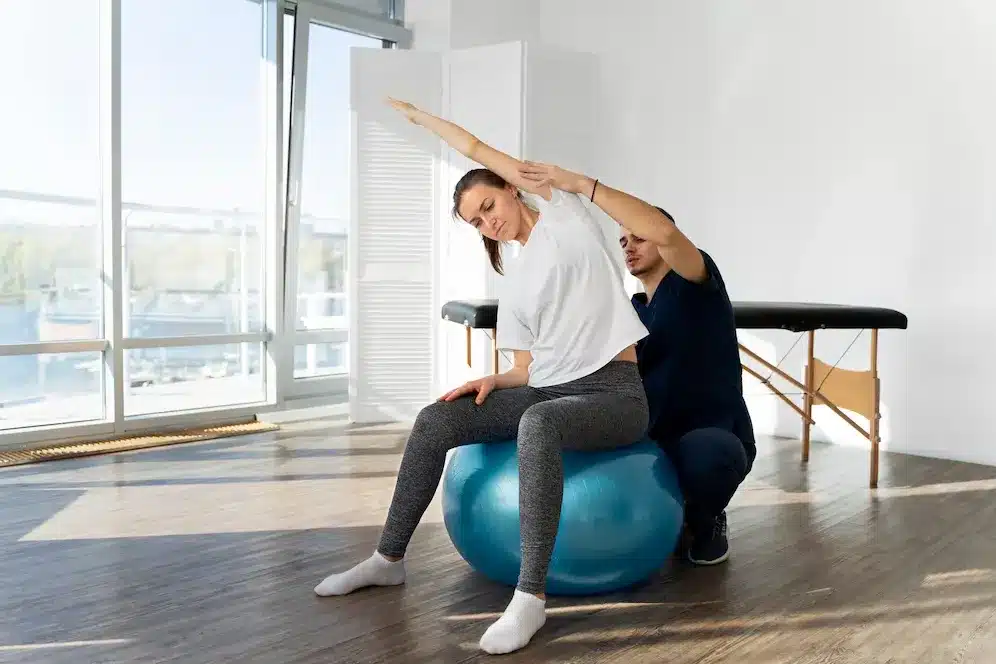
Professional assisted stretching offers another approach. Instead of performing every stretch independently, a trained professional guides the body through selected movements while adjusting positioning and range according to the individual’s comfort.
This can be particularly helpful for stretching exercises for seniors who want more attention directed toward areas such as the hips, shoulders, legs, and back.
However, assisted stretching should not be confused with medical rehabilitation. People experiencing ongoing pain, a recent injury, or significant movement restrictions should consult an appropriate healthcare professional before starting sessions.
Exploring Stretch Services at StretchPlex
For older adults who want additional guidance with flexibility and mobility, StretchPlex offers one-on-one assisted stretching sessions.
Each session involves a Body Coach guiding the client through stretches based on their current movement, goals, and limitations. This provides a more personalized alternative to following a general stretching video or routine independently.
StretchPlex also offers personal training and compression therapy. These services address different aspects of physical wellness, allowing clients to explore options based on their individual goals.
For seniors, the first step should be communicating any health concerns, previous injuries, surgeries, or movement restrictions. This helps determine whether a service is appropriate and what adjustments may be needed.
StretchPlex serves clients in Hockessin, Greenville, and North Wilmington, Delaware. Those interested in learning more can visit the StretchPlex Services page to review available options.
Conclusion
A comfortable morning can begin with a few simple movements. Gentle mobility exercises give seniors an opportunity to work on flexibility, move their joints, and prepare for everyday activities without starting the day with an intensive workout.
The most useful routine is one that respects individual abilities and can be followed consistently. For older adults who need additional guidance, professional stretch services can provide personalized support alongside independent movement and other physical activities.